
How to Choose a Successor Trustee in California (Family, Friend, or Professional)
Educational guide for Californians creating or updating a living trust. This article is general information, not legal advice. The right choice depends on your family, your assets, and how your trust is written. Talk with a California estate planning attorney before you name or change a trustee.
As of: October 19, 2026 (PT).
At a glance
- A beneficiary can serve as successor trustee. Many families name an adult child.
- Co-trustees generally must act together unless the trust allows otherwise (§15620). Consider how disagreements will be resolved.
- Name backups. If no named trustee can or will serve, §15660 sets out how a vacancy is filled, which may involve a trust company or the court.
- Professional fiduciaries are licensed and regulated by California's Professional Fiduciaries Bureau. You can verify a license on the Bureau's website.
- Compensation: the trust can set it. If the trust is silent, a trustee is entitled to reasonable compensation under the circumstances (§15681).
- You can change your choice while your trust is revocable, usually with a written amendment.

On this page
- At a glance
- Quick answer: who should be my successor trustee in California?
- What does a successor trustee actually do?
- What qualities should I look for in a successor trustee?
- Can a beneficiary also be the successor trustee?
- Should I name one child or all my children as co-trustees?
- Should I name backup successor trustees?
- When does a professional fiduciary or trust company make sense?
- Can a successor trustee be paid?
- What role does a successor trustee play if I become incapacitated?
- How and when should I update my successor trustee?
- How do I talk with the person I choose?
- How can CBM help?
- Related guides
- Frequently asked questions
- What sources does this guide rely on?
- Next step
Quick answer: who should be my successor trustee in California?
Short answer: Choose someone you trust who is organized, willing, and able to work fairly with your beneficiaries, and name at least one backup. A beneficiary, such as an adult child or spouse, can serve. You can also name co-trustees or a licensed professional fiduciary or trust company. Your trust controls compensation; if silent, reasonable compensation applies.
Choose someone you trust who is organized, willing, and able to work fairly with your beneficiaries, and name at least one backup. Your successor trustee takes over management of your living trust if you can no longer serve, usually because of incapacity or death. Many people choose an adult child, a spouse, a sibling, or a trusted friend. Others name co-trustees, or a licensed professional fiduciary or trust company when family options are limited or relationships are strained.
Your trust controls. California's default rules, such as how a vacancy is filled (Probate Code §15660) and how trustees are paid when the trust is silent (§15681), apply mainly when the document does not say otherwise. Writing clear choices and backups into the trust is the best way to keep the decision with you.
What does a successor trustee actually do?
A successor trustee steps in when the current trustee (usually you) can no longer serve. That can happen during your lifetime if you become incapacitated, or after your death, when the trustee manages and distributes trust assets under the trust's terms.
This guide is about choosing that person. For what a successor trustee does after a death, including notice under Probate Code §16061.7, see our California successor trustee checklist. Knowing the job helps you pick the right person for it.
What qualities should I look for in a successor trustee?
The best choice is often not the oldest child or the person with the most impressive title. Consider:
- Trustworthiness and fairness. A trustee manages property for the beneficiaries, not for themselves.
- Organization and follow-through. The role involves records, deadlines, and paperwork.
- Willingness. Ask first. A reluctant trustee can delay things.
- Relationships with beneficiaries. Can this person communicate calmly with siblings or blended-family members?
- Availability and location. Someone nearby, or comfortable handling things remotely and online, may find the job easier, especially if there is a home to manage.
- Willingness to get help. A good trustee knows when to call an attorney, a CPA, or other professionals.
- Age and health. Consider whether your choice is likely to be able to serve when needed, and name backups either way.
Can a beneficiary also be the successor trustee?
Yes. It is common to name a child who is also a beneficiary. The Professional Fiduciaries Bureau notes that the person who creates a trust may name a family member, a friend, or a professional fiduciary as trustee.
A trustee who is also a beneficiary still owes duties to all beneficiaries, including the duty to administer the trust solely in their interest (Probate Code §16002, discussed in our checklist). If one child will be trustee and others are beneficiaries, clear instructions in the trust can reduce later questions about fairness.
Should I name one child or all my children as co-trustees?
Both approaches can work. Each has trade-offs.
Naming one child
- Faster decisions and a single point of contact.
- Can feel unfair to siblings if not explained.
- Works best when the chosen child is organized and trusted by the others.
Naming co-trustees
- Can feel more equal and adds a second set of eyes.
- Under Probate Code §15620, unless the trust provides otherwise, a power held by two or more trustees may be exercised only by their unanimous action. Needing agreement on each decision can slow things down.
- Disagreements can stall administration.
Ways to reduce friction if you choose co-trustees:
- Allow co-trustees to act independently for routine matters, or by majority if there are three or more.
- Name a tie-breaker, such as a trusted advisor or a professional fiduciary.
- Assign roles (for example, one handles the house, another handles accounts).
Your attorney can draft these options into the trust. Our glossary explains common trust terms.
Should I name backup successor trustees?
Yes. People move, get sick, or decide they cannot serve. Name at least one backup, and consider a second.
A person named as trustee can decline. Under Probate Code §15601, a person who does not accept within a reasonable time after learning of being named is treated as having rejected the trust. If the trust has no trustee, §15660 fills the vacancy in this order:
- As the trust instrument provides, if it names a successor or gives a practical method of appointing one.
- If not, by a trust company that agrees to serve, with the agreement of the adult beneficiaries described in the statute.
- If neither works, by the court, on petition of an interested person. The court must consider nominations by beneficiaries who are 14 or older.
A clear list of backups, or a method for choosing one (for example, "my adult children by majority may appoint a successor"), can help your family avoid a court petition.
When does a professional fiduciary or trust company make sense?
A professional may fit when:
- No family member is willing or able to serve.
- Family relationships are strained, or there is a blended family.
- A beneficiary has special needs or difficulty managing money.
- Assets are complex, or administration may last many years.
Professional fiduciaries. California's Professional Fiduciaries Bureau, part of the Department of Consumer Affairs, licenses and regulates non-family-member professional fiduciaries, including trustees, under the Professional Fiduciaries Act (Business and Professions Code §6500 and following). Under §6501, a person who acts as a trustee for four or more individuals at the same time is a professional fiduciary. In that count, individuals related to the fiduciary are not counted, individuals related to each other count as one, and related trustors count as one no matter how many trusts or beneficiaries there are ("related" means by blood, adoption, marriage, or registered domestic partnership). So a family member serving only for relatives generally is not a professional fiduciary under this definition. Before naming a professional, verify the license on the Bureau's website at fiduciary.ca.gov.
Trust companies and banks. Trust companies (as defined in Probate Code §83) and FDIC-insured institutions, including their holding companies, subsidiaries, and affiliates, are not "professional fiduciaries" under §6501, but they can serve as trustees under their own rules. Ask about their minimum account sizes, fees, and how they work with family.
Fees. Professional and corporate trustee fees vary. Ask any candidate for a written fee schedule, and compare what is included. This guide does not suggest any fee level.
Can a successor trustee be paid?
Yes. Under Probate Code §15680, if the trust sets the trustee's compensation, the trustee is generally entitled to be paid as the trust provides (a court can adjust it in limited circumstances). Under §15681, if the trust does not specify compensation, the trustee is entitled to reasonable compensation under the circumstances.
You can decide in your trust whether family trustees are paid, how, and whether co-trustees share compensation. Stating it clearly can head off disputes.
What role does a successor trustee play if I become incapacitated?
If you become unable to manage your affairs, your successor trustee can usually step in to manage trust assets, according to how your trust defines incapacity. Many trusts set out how incapacity is determined, so read that section when you choose a trustee.
Assets outside the trust, and health care decisions, are handled by other documents. A durable power of attorney covers financial matters outside the trust, and an advance health care directive covers medical decisions. Many people name the same trusted person for these roles, but you do not have to. See our guide to the durable power of attorney and advance health care directive.
How and when should I update my successor trustee?
Review your choice after major life changes: a marriage or divorce, a move, a death or illness, a falling out, or when a child reaches adulthood or matures. While your trust is revocable, you can usually change your successor trustee with a written trust amendment signed the way your trust requires. Do not cross out names or write notes on the original document. Ask your attorney to prepare the amendment, and make sure your trust is funded so the trustee has something to manage (see how to fund a living trust).
How do I talk with the person I choose?
- Ask before you name them. Explain why you chose them.
- Tell them where your documents are, and who your attorney and CPA are.
- Share the basics of your plan, at whatever level of detail you are comfortable with.
- Let them know help is available. A successor trustee does not have to figure everything out alone. Point them to our successor trustee checklist and trust administration page.
- Consider telling other family members who you chose and why, to reduce surprises later.
How can CBM help?
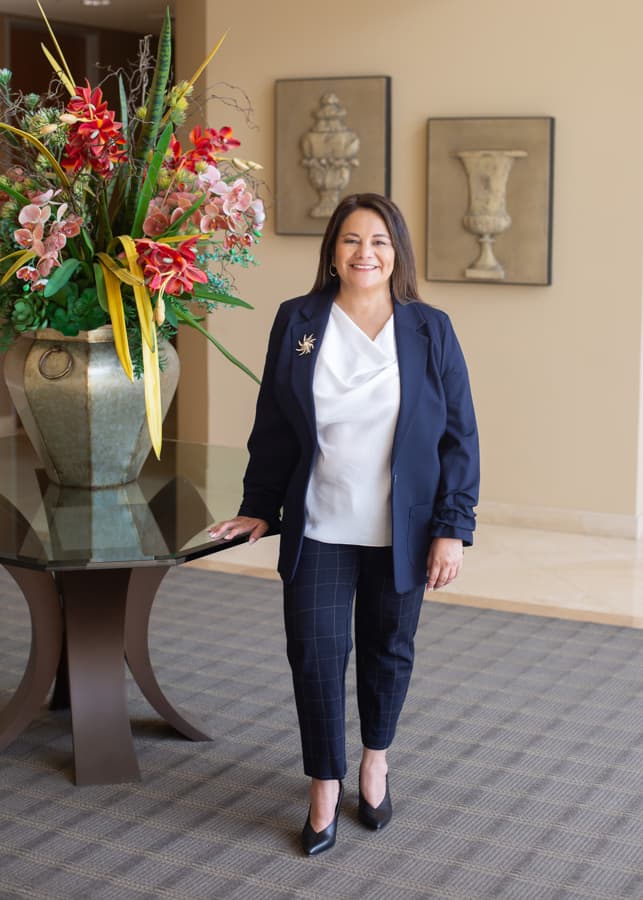
CBM Estate & Trust Law helps California families choose and document successor trustees and backups when they sign their trust, and supports successor trustees through trust administration when the time comes. A funded trust may help avoid probate for the assets titled in it. Carmen B. Marquez has practiced estate planning since 2001, and the firm was founded in 2012. Carmen speaks Spanish. Learn more on our estate planning page. See also living trust vs. will. CBM does not offer probate services.
Related guides
- TOD deed vs. living trust in California
- AB 2016 $750,000 home petition vs. a living trust
- Trust funding
- Trust administration
- Estate planning glossary
Book a free 60-minute consultation · /contact
Frequently asked questions
Can my successor trustee also be a beneficiary?
Yes. Naming a beneficiary, such as an adult child, is common. The trustee must still act in the interest of all beneficiaries and follow the trust, so clear instructions help, especially when one child serves and others do not.
Should I name all my children as co-trustees?
It depends on your family. Under Probate Code §15620, co-trustees generally must act unanimously unless the trust says otherwise, which can slow things down. If you name co-trustees, consider allowing independent or majority action and naming a tie-breaker.
Can my spouse be my successor trustee?
Yes. In many married couples' trusts, the surviving spouse continues as trustee and a child or other person is named next. Consider who will serve if both spouses are unable to.
Can someone who lives out of state serve as successor trustee?
Often yes, but distance can make it harder to manage a home, meet with professionals, and sign documents. Ask your attorney whether an out-of-state trustee raises any issues for your trust and assets, and consider a local co-trustee or backup.
What if my successor trustee refuses to serve?
A named trustee can decline, and under Probate Code §15601 a person who does not accept within a reasonable time is treated as having rejected the trust. The next named backup then serves. If no one is named, §15660 provides other ways to fill the vacancy, which may include a court petition.
Can a successor trustee be paid?
Yes. If the trust sets compensation, it generally controls. If the trust is silent, Probate Code §15681 entitles the trustee to reasonable compensation under the circumstances. You can address family-trustee pay directly in your trust.
Do I need a professional fiduciary?
Not usually, but a licensed professional fiduciary or trust company can help when no family member can serve, relationships are strained, or assets are complex. California's Professional Fiduciaries Bureau licenses professional fiduciaries, and you can verify a license on its website.
How do I change my successor trustee?
While your trust is revocable, usually by a written amendment signed the way your trust requires. Book a free 60-minute consultation with CBM to review your trustee choices. /contact · (805) 915-4793 · Trusts@cbm.estate
What sources does this guide rely on?
- Probate Code §15601 (rejecting the trust).
- Probate Code §15620 (co-trustees act unanimously unless the trust provides otherwise).
- Probate Code §15660 (filling a trustee vacancy).
- Probate Code §15680 and §15681 (trustee compensation).
- Probate Code §16002 (duty of loyalty) and §16061.7 (trustee notification).
- Business and Professions Code §6501 (Professional Fiduciaries Act definitions).
- Professional Fiduciaries Bureau, About Us and What Is a Professional Fiduciary?
Next step
Choosing a successor trustee is one of the most personal decisions in a living trust. A clear choice, named backups, and written instructions can make the job easier for the person you trust.
Book a free 60-minute consultation · /contact · (805) 915-4793 · Trusts@cbm.estate
Planning: Estate planning · Successor trustee support: Trust administration · Related: California successor trustee checklist
Serving families throughout California, with an office in Simi Valley and meetings in Burbank by appointment.
Simi Valley: 2655 First Street, Suite 110, Simi Valley, CA 93065
Se habla español. · Guides hub: /guides · Free seminar calendar: /seminar-calendar
Attorney advertising. This guide is general educational information about California law as of the date above. It is not legal or tax advice, does not create an attorney-client relationship, and may not reflect later changes in statutes. Consult an attorney about your trust before you act. Results depend on your facts; no outcome is guaranteed. CBM Estate & Trust Law (Carmen B. Marquez, P.C.) practices in California only.