
Trust Administration in California: The First 60 Days After a Death (Notices, EIN, Assets)
Educational guide for California successor trustees. This article is general educational information, not legal or tax advice. Every trust is written differently, and the right steps depend on your trust's terms and your family's facts. Talk with a California trust administration attorney before you act.
As of: November 2, 2026 (PT).
This page is the calendar view of the job. For the full list of a trustee's responsibilities, see our California successor trustee checklist.
At a glance
- Trust administration is not probate. A trustee administers a trust under the trust instrument and California's Trust Law, usually without opening a court case.
- No distributions to beneficiaries, including yourself, until debts, taxes, and the notice period are understood.
- No commingling. Probate Code §16009 requires a trustee to keep trust property separate from other property and to see that trust property is designated as property of the trust. Do not deposit trust money into your personal account.
- Under §16061.7(f), the notice must be served not later than 60 days after the death, or 60 days after you learn of a person entitled to notice who was not known at first.
- Under Probate Code §16061.8, a person served with the notice may not bring an action to contest the trust more than 120 days after service, or 60 days after a copy of the trust terms is delivered during that 120-day period, whichever is later.
- Many trustees call an attorney in the first week, before the notice deadline.

On this page
- At a glance
- Quick answer: what does a successor trustee do in the first 60 days?
- Week 1: secure, locate, and pause
- Days 1 to 30: accept the role and get organized
- What is due by day 60? The Probate Code §16061.7 notice
- What other early notices should a trustee check?
- What taxes should a trustee calendar in the first 60 days?
- How should a trustee keep beneficiaries informed?
- When should you bring in a trust administration attorney?
- How can CBM help?
- Related guides
- Frequently asked questions
- What sources does this guide rely on?
- Next step
Quick answer: what does a successor trustee do in the first 60 days?
Short answer: In the first 60 days after a settlor dies, a California successor trustee usually secures the home and accounts, finds the trust and any will, accepts the role, gets an EIN for the now irrevocable trust, starts an inventory, and serves the Probate Code §16061.7 notice within 60 days of the death. Distributions and sales generally wait.
Trust administration is not probate. A trustee administers a trust under the trust instrument and California's Trust Law, usually without opening a court case. Assets that were never titled in the trust are a separate question (see below).
The first 60 days at a glance
- Week 1: Secure the home, vehicles, mail, and accounts; find the original trust, amendments, and pour-over will; order death certificates; do not distribute or sell anything yet.
- Days 1 to 30: Accept the trusteeship (Probate Code §15600), prepare a certification of trust (§18100.5), obtain an EIN, open a trust account, and start an inventory.
- By day 60: Serve the §16061.7 notification on beneficiaries and heirs, with the required 120-day warning.
- Calendar now, file later: the Change in Ownership Statement for California real property (Rev. & Tax. Code §480(b), within 150 days after the date of death), tax returns with your CPA, and any Medi-Cal notice under §19202.
Week 1: secure, locate, and pause
Find the trust, amendments, and pour-over will
Look for the signed original trust, every amendment or restatement, and the settlor's pour-over will. Original documents are often in a home file, a fire-resistant box, or with the attorney who prepared them.
If you are holding the original will, California law gives you a short deadline. Under Probate Code §8200(a), unless a probate petition is filed first, the custodian of a will must, within 30 days after having knowledge of the death, deliver the original will to the clerk of the superior court in the county where the estate may be administered, and deliver a copy to the named executor (or, if the executor cannot be located, to a named beneficiary). A custodian who fails to comply can be liable for resulting damages (§8200(b)). Lodging a will with the court is not the same as opening a probate case.
Death certificates and who needs one
Order several certified copies of the death certificate through the funeral home or the county. Banks, brokerage firms, insurers, the county assessor, and the recorder (for real property) commonly ask for one. Life insurance and retirement account companies will also ask for one, even when those assets pass by beneficiary designation rather than through the trust.
Secure the home, cars, mail, and digital accounts
- Home: Change locks if others have keys, confirm the homeowner's insurance stays in force, and tell the insurer the home may be vacant.
- Vehicles and valuables: Keep vehicles insured and garaged; inventory jewelry, art, and collectibles.
- Mail: Collect mail and watch for statements, bills, and tax notices. They are often the best map of what the settlor owned.
- Online accounts: Make a list of email, banking, and subscription accounts. Do not log in with the settlor's password; ask each provider about its fiduciary access process.
Under Probate Code §15600(b), when there is an immediate risk of damage to trust property, a person named as trustee may act to preserve it even before formally accepting the trust.
What not to do yet
- No distributions to beneficiaries, including yourself, until debts, taxes, and the notice period are understood.
- No sales of the house or investments without first reviewing the trust's powers and talking with your attorney and CPA.
- No commingling. Probate Code §16009 requires a trustee to keep trust property separate from other property and to see that trust property is designated as property of the trust. Do not deposit trust money into your personal account.
Days 1 to 30: accept the role and get organized
Accepting the trusteeship and the certification of trust
Under Probate Code §15600(a), a person named as trustee may accept the trust by signing the trust instrument or a separate written acceptance, or by knowingly exercising powers or performing duties under the trust. A short written acceptance creates a clear record of the date you began serving. Once you accept, §16000 gives you a duty to administer the trust according to its terms and California's Trust Law.
Banks and title companies generally do not need the whole trust. Under §18100.5, a trustee may present a certification of trust, an acknowledged declaration confirming facts such as the trust's existence and date, the currently acting trustee, the trustee's powers, the trust's taxpayer identification number, and how title should be taken. It does not need to include the distribution terms (§18100.5(d)).
Getting an EIN and opening a trust account
When the settlor dies, a revocable trust (or the part of it that becomes irrevocable) generally needs its own taxpayer identification number. The IRS uses Form SS-4 to issue an employer identification number (EIN) to entities including trusts and estates. Many trustees also file IRS Form 56, which the IRS describes as a way to notify it of the creation or termination of a fiduciary relationship.
With the EIN and a certification of trust, open a trust checking account titled in your name as trustee. Run trust income and expenses through that account so the records are clean for beneficiaries and your CPA. Elections such as treating a trust as part of an estate for income tax purposes (Internal Revenue Code §645) are a CPA decision; mention them, then hand them off.
Inventory: what is in the trust, and what is not
Sort what you find into three groups:
| Group | Examples | Who controls it |
|---|---|---|
| Trust assets | Real property deeded to the trustee; accounts titled in the trust's name | You, as successor trustee, under the trust terms |
| Beneficiary designation and TOD assets | Life insurance, IRAs and 401(k)s, payable on death and transfer on death accounts | The named beneficiary, through the company's claim process |
| Assets outside the trust | An account or property still in the settlor's individual name with no beneficiary | May need a separate court process; ask your attorney early |
For more on TOD accounts, see SB 1288 and TOD brokerage accounts and TOD deed vs. living trust. Record date of death values for each trust asset; your CPA will need them.
The real property checklist
- Confirm insurance and tell the carrier about any vacancy.
- Keep paying property taxes, the mortgage, HOA dues, and utilities from the trust account.
- Calendar the Change in Ownership Statement. Under Rev. & Tax. Code §480(b), when real property is transferred by reason of death through a trust, the trustee files the change in ownership statement with the county recorder or assessor in each county where the decedent owned real property within 150 days after the date of death. You will not finish this in 60 days, but it belongs on your calendar now.
- If a child may keep the family home, review Prop 19 and the parent child exclusion before any transfer.
What is due by day 60? The Probate Code §16061.7 notice
Who gets it
When a revocable trust becomes irrevocable because a settlor died, Probate Code §16061.7(a) requires the continuing or successor trustee to serve a notification by trustee. Under §16061.7(b), it goes to:
- Each beneficiary of the irrevocable trust (subject to §15804);
- Each heir of the deceased settlor, even an heir who receives nothing under the trust; and
- The Attorney General, if the trust is a charitable trust subject to the Attorney General's supervision.
Service is by one of the methods in §1215 to the last known address (§16061.7(e)). Under §16061.7(f), the notice must be served not later than 60 days after the death, or 60 days after you learn of a person entitled to notice who was not known at first. If there was a vacancy in the trusteeship, the 60 days start when the new trustee begins to serve. A settlor cannot waive this notice (§16061.7(i)).
What it must say
Under §16061.7(g), the notice states the settlor's identity and the date the trust was signed; each trustee's name, address, and phone number; the address of the principal place of administration; anything else the trust requires; and that the recipient may request a true and complete copy of the trust terms. For a notice served because of a settlor's death, §16061.7(h) requires a separate paragraph, in at least 10 point boldface type, stating:
"You may not bring an action to contest the trust more than 120 days from the date this notification by the trustee is served upon you or 60 days from the date on which a copy of the terms of the trust is delivered to you during that 120-day period, whichever is later."
Why the 120-day window matters
Under Probate Code §16061.8, a person served with the notice may not bring an action to contest the trust more than 120 days after service, or 60 days after a copy of the trust terms is delivered during that 120-day period, whichever is later. That rule applies whether the notice was served on time or late. Section 16061.9(c) lets a trustee consider whether that period has run when deciding the timing of distributions, which is one reason many trustees wait.
If a trustee fails to serve the notice, §16061.9 makes the trustee responsible for resulting damages, attorney's fees, and costs owed to a beneficiary, and for damages to a known heir, unless the trustee made a reasonably diligent effort to comply.
What other early notices should a trustee check?
- Medi-Cal (DHCS): If you know or have reason to believe the settlor (or the settlor's predeceased spouse) received Medi-Cal, Probate Code §19202(a) requires the trustee to notify the state of the death; under §19202(b), the director then has four months to file a claim. See Medi-Cal estate recovery in California.
- Creditors: California has an optional trust creditor claim procedure. Under §19003(a), if no probate petition has been filed, a trustee may file a proposed notice to creditors with the court and then publish and serve notice. Whether to use it is a judgment call to make with your attorney; it is not required in every administration.
What taxes should a trustee calendar in the first 60 days?
Your job now is to give your CPA what they need, not to prepare returns yourself. Calendar the settlor's final individual returns (federal Form 1040 and California Form 540), any trust income tax returns (federal Form 1041 and California Form 541), and the date of death values for trust assets. California has no state estate tax or inheritance tax; see California estate and inheritance tax for the federal picture.
How should a trustee keep beneficiaries informed?
Probate Code §16060 gives a trustee a duty to keep beneficiaries reasonably informed of the trust and its administration, and §16061 requires the trustee, on reasonable request, to provide information relevant to a beneficiary's interest. A short written update after the §16061.7 notice goes out, and periodic updates after that, can reduce misunderstandings. Keep copies of everything you send.
When should you bring in a trust administration attorney?
Many trustees call an attorney in the first week, before the notice deadline. It is especially worth calling if a beneficiary is upset, the trust has real property or a business, some assets are outside the trust, the settlor received Medi-Cal, or you are both a trustee and a beneficiary.
How can CBM help?
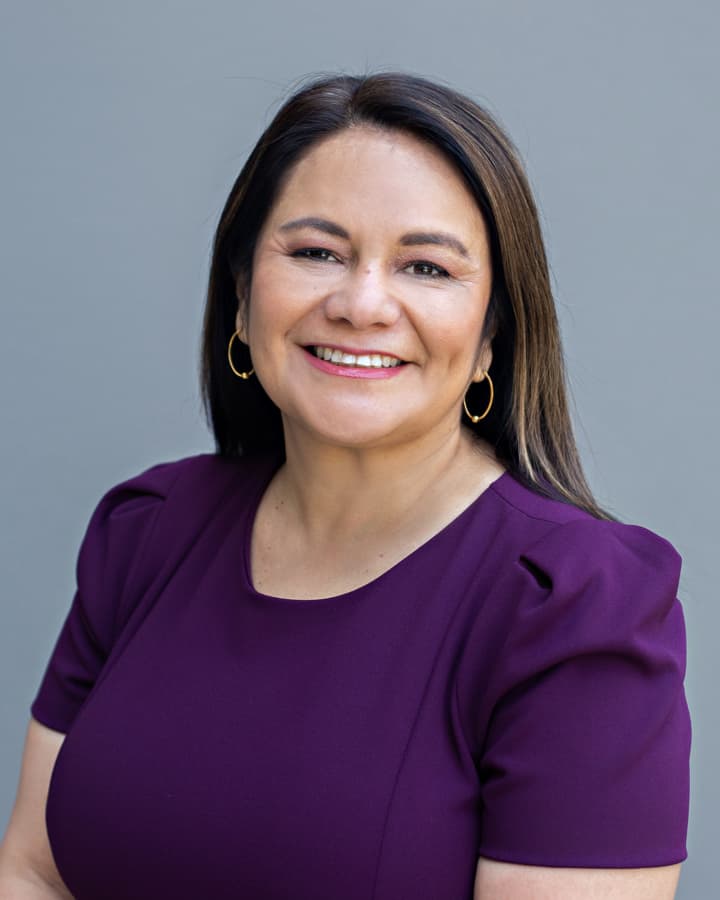
CBM Estate & Trust Law helps California successor trustees with trust administration: preparing and serving the §16061.7 notice, coordinating the EIN and trust account setup, retitling trust assets, and working with your CPA. Attorney Carmen B. Marquez has practiced estate planning in California since 2001, and Carmen B. Marquez, P.C. (CBM Estate & Trust Law) was founded in 2012. Carmen speaks Spanish. Choosing a trustee for your own plan? See how to choose a successor trustee and successor trustee vs. power of attorney. Trust administration is not probate. We do not handle probate matters.
Related guides
- California successor trustee checklist
- How to choose a successor trustee in California
- Successor trustee vs. power of attorney in California
- Prop 19 parent-child exclusion in California
- Medi-Cal estate recovery in California
- Trust administration services
Frequently asked questions
How soon after a death does a California trustee have to send the trust notice?
Under Probate Code section 16061.7(f), the trustee must serve the notification by trustee not later than 60 days after the settlor's death, or 60 days after learning of a person entitled to notice who was not known at first. If the trusteeship was vacant, the 60 days begin when the new trustee starts serving.
What happens if the 16061.7 notice is late or never sent?
A late notice still starts the contest period under Probate Code section 16061.8. A trustee who never serves the notice may be responsible under section 16061.9 for damages, attorney's fees, and costs caused to a beneficiary, and for damages to a known heir, unless the trustee made a reasonably diligent effort to comply.
Does a trust need its own EIN after the settlor dies?
Generally yes. Once the trust becomes irrevocable, it usually needs its own taxpayer identification number. The IRS issues EINs to trusts and estates through Form SS-4. Your CPA can confirm the right setup and any tax elections for your situation.
Can a successor trustee sell the house in the first 60 days?
It depends on the trust's terms and the facts. Many trustees wait while they confirm the trust's powers, insurance, title, the property tax picture, and whether a beneficiary may want to keep the home. Talk with your attorney before listing or selling trust real property.
Can I pay myself or distribute money right away?
Usually it is wise to wait. Debts, expenses, and taxes may need to be paid first, and Probate Code section 16061.9(c) lets a trustee consider whether the contest period has run when deciding the timing of distributions. Trustee compensation depends on the trust's terms; ask your attorney before paying yourself.
Do I have to file anything with the court to administer a trust?
Usually not. Trust administration is generally handled outside of court under the trust and California's Trust Law. A custodian of an original will must deliver it to the superior court clerk within 30 days under Probate Code section 8200, and some situations may call for a court filing, but routine trust administration is not probate.
What if some assets were never put in the trust?
Assets with a valid beneficiary designation or transfer on death registration pass to the named beneficiary. Assets left in the settlor's individual name with no beneficiary may need a separate court process. Ask a California attorney early so that question does not hold up the rest of the administration.
How long does a beneficiary have to contest a trust in California?
Under Probate Code section 16061.8, a person served with the trustee's notice generally may not bring an action to contest the trust more than 120 days after service, or 60 days after a copy of the trust terms is delivered during that 120-day period, whichever is later.
What sources does this guide rely on?
All statutes verified on leginfo.legislature.ca.gov on November 2, 2026. See the companion SOURCES file.
- Probate Code §16061.7, §16061.8, §16061.9 (trustee notice, contest period, failure to notify).
- Probate Code §16000, §16009, §16060, §16061 (trustee duties).
- Probate Code §15600 (acceptance) and §18100.5 (certification of trust).
- Probate Code §8200 (will custodian), §19003 (optional creditor notice), §19202 (Medi-Cal notice).
- Revenue and Taxation Code §480 (change in ownership statement).
- IRS, About Form SS-4 and About Form 56.
Next step
If you have just become a successor trustee, a conversation before the 60-day notice deadline can make the rest of the administration smoother.
Book a free 60-minute consultation · /contact · (805) 915-4793 · Trusts@cbm.estate
Related: Successor trustee checklist · Trust administration · Prop 19 parent child exclusion · Glossary
Serving families throughout California, with an office in Simi Valley and meetings in Burbank by appointment.
Simi Valley: 2655 First Street, Suite 110, Simi Valley, CA 93065
Burbank (meetings by appointment): 3500 West Olive Avenue, 3rd Floor, Burbank, CA 91505
La abogada Carmen B. Marquez habla español. · Guides hub: /guides
Attorney advertising. This guide is general information about California law as of the date above, not legal or tax advice. It does not create an attorney-client relationship and may not reflect later changes in the law. Consult a California attorney about your situation before you act. Results depend on your facts; no outcome is guaranteed. CBM Estate & Trust Law (Carmen B. Marquez, P.C.) practices in California only. We do not handle probate matters.