
Medi-Cal Asset Limits in 2027: What Families Should Know
By Carmen B. Marquez · November 10, 2026
The short answer: Nothing changes today. The Medi-Cal asset limit stays at $130,000 for one person through June 30, 2027. On July 1, 2027, it is scheduled to drop to $21,000 for one person and $31,000 for two. That date is still eight months away, and the rules for how the change will be applied have not been released. Before you spend down, give away, or move assets, take the time to understand where you stand.
At a glance
- Nothing changes today. The Medi-Cal asset limit stays at $130,000 for one person through June 30, 2027.
- On July 1, 2027, it is scheduled to drop to $21,000 for one person and $31,000 for two.
- Current members are not all checked on July 1. Assets are reviewed at your regular renewal, so most people would first face the lower limit at their first renewal after July 2027.
- The limit applies only to countable assets. The home you live in and one vehicle are not counted.
- Don't rush to give assets away. Gifts made on or after January 1, 2026 can trigger a penalty period during which Medi-Cal will not pay for nursing home or other long-term care.
- The rules for the spouse who stays at home did not change.

On this page
What is changing, and when?
California brought back the Medi-Cal asset test on January 1, 2026. The 2026-27 state budget then set lower limits starting no sooner than July 1, 2027.
| Household | Through June 30, 2027 | Starting no sooner than July 1, 2027 |
|---|---|---|
| One person | $130,000 | $21,000 |
| Two people | $195,000 | $31,000 |
| Each additional person (up to 10) | +$65,000 | +$1,550 |
Sources: Welf. & Inst. Code 14005.62 and DHCS: Asset limit FAQ
Who this affects: The asset test applies to Medi-Cal members who are 65 or older, have a disability, live in a nursing home, or qualify through a family whose income is too high for regular Medi-Cal. Most children, pregnant people, and working-age adults on regular ("MAGI") Medi-Cal have no asset test.
When it would apply to you: Current members are not all checked on July 1. Assets are reviewed at your regular renewal, so most people would first face the lower limit at their first renewal after July 2027.
It may still change. The July 2027 date falls after next year's budget negotiations. The Assembly and Senate have said they aim to revisit these reductions in the 2027-28 budget process, and a new Governor takes office in January. The lower limits could be revised, delayed, or kept as planned.
What counts, and what doesn't?
Many families assume they are over the limit when they are not. The limit applies only to countable assets.
| Counted toward the limit | Not counted |
|---|---|
| Bank accounts | The home you live in |
| Cash | One vehicle |
| A second home or other real estate | Household goods and personal belongings |
| Additional vehicles | Certain retirement accounts, such as when you receive regular payments |
Source: DHCS Medi-Cal changes
The details matter. How an asset is titled, whether it is in a trust, and how a retirement account is paid out can all change the result.
What if you are married?
The rules for the spouse who stays at home did not change. When one spouse needs nursing home care, federal "spousal impoverishment" rules let the at-home spouse keep a share of the couple's assets set aside for that spouse. The state budget did not touch those rules.
Once those rules are in place, the at-home spouse's assets are no longer counted at annual renewals, and assets that spouse acquires later do not affect eligibility. Transfers between spouses are not penalized.
What should you do now, and what should you avoid?
Don't rush to give assets away. Gifts made on or after January 1, 2026 can trigger a penalty period during which Medi-Cal will not pay for nursing home or other long-term care. A transfer that seems harmless today can cost months of coverage later. See our guide to Medi-Cal lookback and asset limits in California.
Be wary of scare ads. Social media ads are urging seniors to buy expensive "Medi-Cal asset preservation trusts" right away. The California Advocates for Nursing Home Reform (CANHR) has warned families against acting on these ads. Some trusts can help in the right situation, but not every family needs one, and none needs to be rushed.
Do take these steps:
- List your assets and sort them into countable and not countable.
- Check how each account and property is titled, including anything already in a living trust.
- Note your Medi-Cal renewal month, since that is when your assets will be reviewed.
- Make a plan for what you would do if the lower limits take effect, and wait to act on it until the rules are final.
- Keep your estate plan current, including a durable power of attorney so someone you trust can handle Medi-Cal paperwork if you cannot.
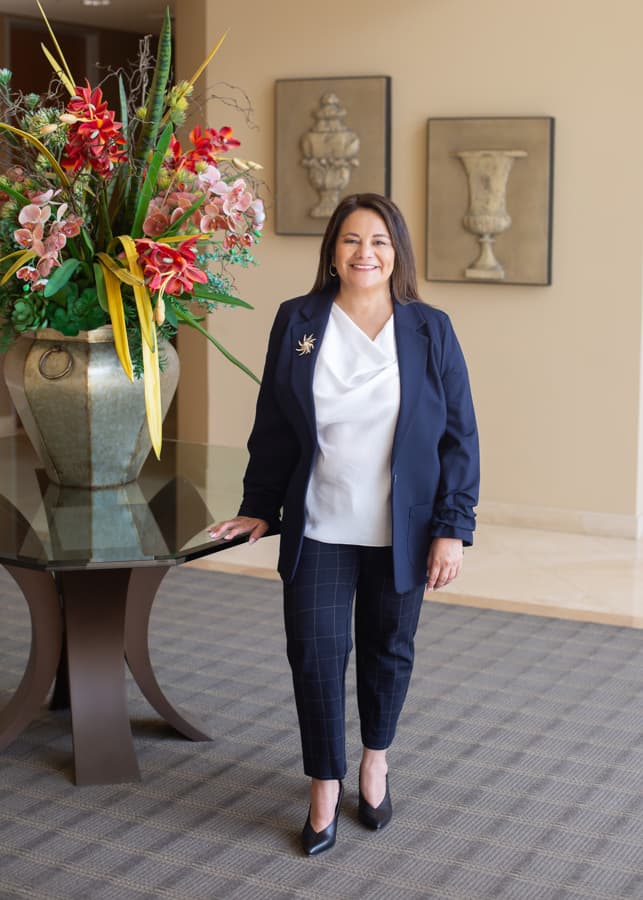
How can CBM help?
CBM Estate & Trust Law helps families in Ventura and Los Angeles Counties review their assets, update their estate plans, and prepare for changes like this one. We will tell you honestly whether you need to act now or can wait. Call (805) 915-5652 or email trusts@cbm.estate to schedule a complimentary 60-minute consultation. Our office is at 2655 First Street, Suite 110, Simi Valley, CA 93065, and we offer meetings in Burbank by appointment. We do not handle probate matters.
For care-planning conversations, see our Medi-Cal planning page.
This article is general information as of November 2026, not legal advice. Medi-Cal rules change often, and every family's situation is different. Reading this article does not create an attorney-client relationship.
Sources: DHCS: Medi-Cal changes · DHCS: Asset limit FAQ · The SCAN Foundation: 2026-27 enacted budget summary · CANHR, Legal Network News, Fall 2026
Related guides
- Medi-Cal lookback and asset limits in California
- Medi-Cal estate recovery in California
- Medicare vs. Medi-Cal for nursing home care in California
- California durable power of attorney and advance health care directive
- Successor trustee vs. power of attorney in California
- Medi-Cal planning
Frequently asked questions
What is the California Medi-Cal asset limit in 2027?
Nothing changes today. The Medi-Cal asset limit stays at $130,000 for one person through June 30, 2027. On July 1, 2027, it is scheduled to drop to $21,000 for one person and $31,000 for two. For two people, the limit through June 30, 2027 is $195,000. Each additional person (up to 10) is +$65,000 through June 30, 2027, and +$1,550 starting July 1, 2027. The rules for how the change will be applied have not been released.
When would the lower July 2027 limit apply to current members?
Current members are not all checked on July 1. Assets are reviewed at your regular renewal, so most people would first face the lower limit at their first renewal after July 2027.
Who does the asset test affect?
The asset test applies to Medi-Cal members who are 65 or older, have a disability, live in a nursing home, or qualify through a family whose income is too high for regular Medi-Cal. Most children, pregnant people, and working-age adults on regular ("MAGI") Medi-Cal have no asset test.
Does the home you live in count toward the limit?
The limit applies only to countable assets. The home you live in is listed as not counted. A second home or other real estate is listed as counted. How an asset is titled, whether it is in a trust, and other details can change the result.
Should I give assets away before the limit drops?
Don't rush to give assets away. Gifts made on or after January 1, 2026 can trigger a penalty period during which Medi-Cal will not pay for nursing home or other long-term care. A transfer that seems harmless today can cost months of coverage later.
Did the rules for a spouse who stays at home change?
The rules for the spouse who stays at home did not change. When one spouse needs nursing home care, federal "spousal impoverishment" rules let the at-home spouse keep a share of the couple's assets set aside for that spouse. The state budget did not touch those rules. Once those rules are in place, the at-home spouse's assets are no longer counted at annual renewals, and assets that spouse acquires later do not affect eligibility. Transfers between spouses are not penalized.
Attorney advertising. This article is general information about California Medi-Cal rules as of November 2026, not legal advice. It does not create an attorney-client relationship and may not reflect later changes in the law. Consult a California attorney about your situation before you act. CBM Estate & Trust Law (Carmen B. Marquez, P.C.) practices in California only. We do not handle probate matters.