Certification of Trust in California (Probate Code 18100.5): What It Is and What to Do When a Bank Asks for the Whole Trust
Educational guide for California trust owners and successor trustees. This article is general educational information, not legal advice. Every trust is written differently. Talk with a California trust attorney about your situation before you act.
As of: November 9, 2026 (PT).
At a glance
- A certification of trust is a signed and acknowledged statement by all currently acting trustees confirming the trust exists, who the trustees are, their powers, and how title should be held.
- Under Probate Code §18100.5, a trustee may give that certification to a bank or title company in place of the whole trust. It need not show who inherits.
- Section 18100.5(c) requires the certification to say the trust has not been changed in a way that makes it incorrect, and that all currently acting trustees are signing.
- A person affected by the certification may require excerpts that show trustee succession or the power to act in the transaction (§18100.5(e)). The statute does not require the entire trust.
- Recording a certification is optional. An affidavit of change of trustee under §18105 is a different document, and title companies often ask for both when a trust house is sold.
- Before a successor trustee signs a certification, the successor should accept the trusteeship. Under §15600(a), a named trustee may accept in writing or by knowingly performing duties under the trust.

On this page
- At a glance
- Quick answer: what is a certification of trust?
- What can a California certification of trust include?
- What else may a bank or title company ask for?
- Can a bank refuse a certification and demand the whole trust?
- Does a certification of trust need to be notarized or recorded?
- When will you need a certification of trust?
- What are common certification problems, and how do you fix them?
- How can CBM help?
- Related guides
- Frequently asked questions
- What sources does this guide rely on?
- Next step
Quick answer: what is a certification of trust?
Short answer: A certification of trust is a signed and acknowledged statement by all currently acting trustees confirming key facts: the trust exists, who the trustees are, their powers, and how title should be held. Under Probate Code §18100.5, a trustee may give it to a bank or title company in place of the whole trust. It need not show who inherits.
What can a California certification of trust include?
Probate Code §18100.5(b) lists the facts a certification of trust may confirm:
- The existence of the trust and the date the trust instrument was signed.
- The identity of the settlor or settlors (the people who created the trust) and of the currently acting trustee or trustees.
- The powers of the trustee.
- Whether the trust is revocable or irrevocable, and who holds any power to revoke it.
- If there is more than one trustee, the signing authority: whether all of the acting trustees, or fewer than all, must sign to exercise various powers.
- The trust identification number, whether a Social Security number or an employer identification number (EIN). Which number applies depends on the trust's tax status; ask your CPA.
- The manner in which title to trust assets should be taken.
- The legal description of any real property held in the trust.
Section 18100.5(c) adds two required statements. The certification must say that the trust has not been revoked, modified, or amended in any way that would make the certification incorrect, and that it is being signed by all of the currently acting trustees. It must be in the form of an acknowledged declaration signed by all currently acting trustees.
What it does not need: under §18100.5(d), the certification is not required to contain the dispositive provisions, meaning the parts of the trust that say who receives what.
A certification of trust is also different from the trust's "schedule of assets" or a deed. It describes the trust and the trustee's authority. It does not move any asset into the trust. For that step, see our trust funding page and how to fund a living trust in California.
What else may a bank or title company ask for?
Institutions sometimes want more than the certification. California law allows a limited request. Under §18100.5(e), a person whose interest is or may be affected may require the trustee to provide copies of excerpts from the trust, its amendments, and related documents that:
- designate, show, or relate to the succession of the trustee (for example, the page naming you as successor trustee), or
- give the trustee the power to act in the pending transaction (for example, the power to sell or borrow).
The same subdivision says nothing in §18100.5 requires or implies an obligation to provide the dispositive provisions or the entire trust and its amendments. A common, practical package is the certification plus the trust's first page, the trustee succession and powers pages, and the signature and notary pages.
Can a bank refuse a certification and demand the whole trust?
Institutions have their own policies, and many have their own certification forms. The statute gives trustees two useful points to raise politely:
- Reliance. Under §18100.5(f), a person who acts in reliance on a certification of trust, without actual knowledge that its statements are incorrect, is not liable to any person for so acting, and may assume the facts in it are true without further inquiry. Section 18100 gives similar comfort to a third person who deals with a trustee in good faith and for value. In plain terms, the law already gives the bank the assurance it needs.
- Bad faith demands. Under §18100.5(h), except when the request comes from a beneficiary or arises in litigation about the trust, and subject to the excerpt rule above, a person who demands the trust documents in addition to an acceptable certification can be liable for damages, including attorney's fees, caused by refusing the certification, if a court determines the person acted in bad faith.
That second point is a narrow rule, and it does not promise any particular result. Most disputes are resolved by offering the certification plus the excerpts allowed under §18100.5(e), or by completing the institution's own form. If an institution still refuses, a short letter from an attorney is usually a better next step than a fight at the counter.
Does a certification of trust need to be notarized or recorded?
Notarized: The statute requires an acknowledged declaration signed by all currently acting trustees (§18100.5(c)). In practice, that usually means each trustee signs in front of a notary public, who completes a certificate of acknowledgment. Banks and title companies generally expect it.
Recorded: Recording is optional. A certification signed by the currently acting trustee may be recorded with the county recorder where the real property is located (§18100.5(c), (i)). Once recorded, it becomes a public record of that property (§18100.5(i)). The statute also says it does not create a requirement to record a certification when title to real property involving a trust is transferred.
When a trustee dies and a successor takes over, the Probate Code separately allows the successor trustee to record an affidavit of change of trustee for real property (§18105). Many people call this an affidavit of death of trustee. It is a different document from the certification, and title companies often ask for both when a trust house is sold. See selling a house held in a trust after death.
When will you need a certification of trust?
While you are alive and serving as your own trustee:
- Retitling bank and brokerage accounts into the trust.
- Refinancing a home held in the trust.
- Buying property in the name of the trust.
After a death or incapacity, as successor trustee:
- Showing banks and brokerage firms that you are now the acting trustee.
- Opening a trust account once the trust has its own EIN (see trust administration: the first 60 days).
- Selling or refinancing trust real property.
Before a successor trustee signs a certification, the successor should accept the trusteeship. Under §15600(a), a named trustee may accept by signing the trust or a separate written acceptance, or by knowingly exercising powers or performing duties under the trust. A written acceptance makes a clear record. Our successor trustee checklist covers the rest of the job.
What are common certification problems, and how do you fix them?
- Outdated trustee names. If a co-trustee has died or resigned, the certification should list only the currently acting trustees, and all of them must sign (§18100.5(c)). Have the death certificate or resignation ready.
- Amendments not reflected. Because the certification must state that the trust has not been changed in a way that makes it incorrect, an old certification may no longer be accurate after an amendment or restatement that changes trustees, powers, or the trust's name. Prepare a new one.
- A trust signed decades ago. Older trusts may use an unusual trust name, list different successor trustees, or be missing pages. Locate the signed original and every amendment before preparing the certification.
- "The bank uses its own form." Many institutions do. Completing their form is often the fastest path, as long as it asks only for the facts in §18100.5 and permitted excerpts.
- Privacy worries. A certification does not need to name beneficiaries or say who inherits what (§18100.5(d)). Remember that a recorded certification becomes public (§18100.5(i)).
How can CBM help?
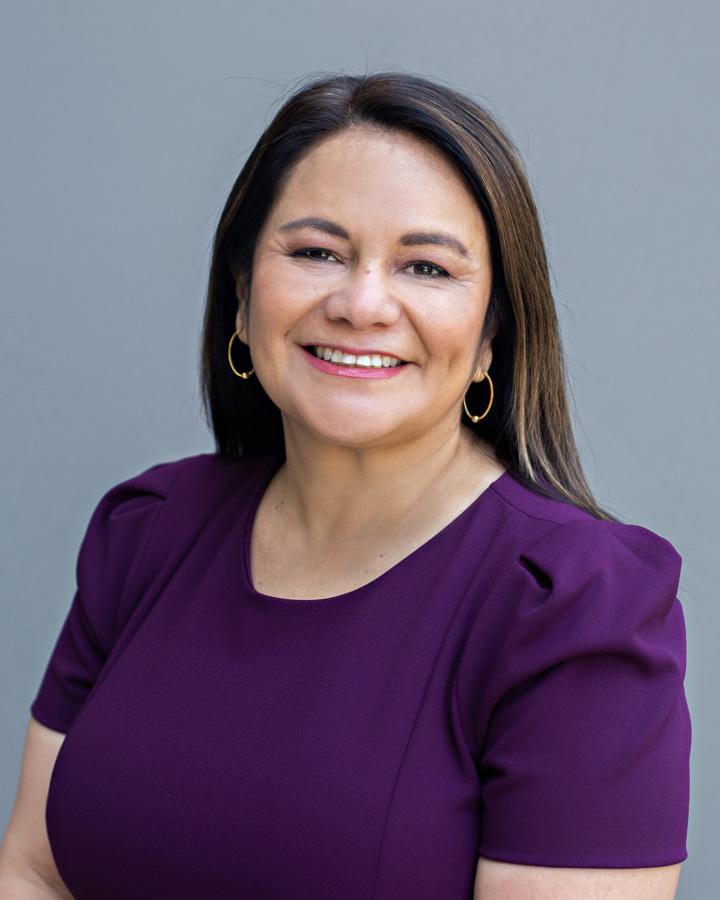
CBM Estate & Trust Law prepares certifications of trust as part of a new living trust plan, and helps California successor trustees prepare certifications, written acceptances, and related documents during trust administration. Attorney Carmen B. Marquez has practiced estate planning in California since 2001 (20+ years), and Carmen B. Marquez, P.C. (CBM Estate & Trust Law) was founded in 2012. La abogada Carmen B. Marquez habla español. Trust administration is not probate. We do not handle probate matters.
For related reading, see successor trustee vs. power of attorney, SB 1288 and TOD brokerage accounts, and our glossary.
Related guides
- Selling a house held in a trust after death in California
- How to fund a living trust in California
- California successor trustee checklist
- Trust administration in California: the first 60 days
- Successor trustee vs. power of attorney in California
- Trust funding services
- Trust administration services
Frequently asked questions
What is a certification of trust in California?
It is a short, acknowledged statement signed by all currently acting trustees that confirms key facts about a trust, such as its existence and date, the trustees, the trustee's powers, and how title should be taken. Under Probate Code section 18100.5, a trustee may present it instead of a copy of the full trust.
Is a certification of trust the same as a certificate of trust?
People use both names for the same idea. California's statute, Probate Code section 18100.5, calls it a certification of trust. Some banks call it a certificate of trust or trust certification, and many use their own form.
Does a certification of trust have to be notarized in California?
The statute requires an acknowledged declaration signed by all currently acting trustees. In practice, that usually means each trustee signs before a notary public, who completes a certificate of acknowledgment.
Can a bank require a full copy of my trust?
A person affected by the certification may require excerpts of the trust that show trustee succession or the trustee's power to act in the transaction. Probate Code section 18100.5 does not require you to provide the dispositive provisions or the entire trust. Outside a beneficiary request or litigation, a person who demands more in bad faith can be liable for damages if a court so finds.
Who signs the certification after the trustee dies?
The successor trustee or trustees who are currently acting sign it. The statute requires the certification to be signed by all currently acting trustees. A successor should accept the trusteeship first, for example by signing a written acceptance.
Do I need a new certification if I amend my trust?
Often, yes. The certification must state that the trust has not been revoked, modified, or amended in a way that makes its statements incorrect. If an amendment changes the trustees, their powers, or the trust's name, prepare a new certification.
Can I use a certification of trust to sell a house?
Yes, title companies commonly ask for one when trust real property is sold, often with excerpts showing the trustee's power to sell. After a death, a successor trustee may also record an affidavit of change of trustee under Probate Code section 18105. Talk with your attorney before listing the property.
Does a certification of trust reveal who my beneficiaries are?
It does not have to. Probate Code section 18100.5 says the certification is not required to contain the provisions that set out who receives the trust property. Keep in mind that a certification recorded with the county recorder becomes a public record.
What sources does this guide rely on?
All statutes verified on leginfo.legislature.ca.gov on November 9, 2026. See the companion SOURCES file.
- Probate Code §18100.5 (certification of trust), §18100 and §18101 (third persons dealing with a trustee), §18105 (affidavit of change of trustee).
- Probate Code §15600 (accepting the trusteeship).
Next step
If a bank or title company is asking for your whole trust, or you have just become a successor trustee, a short conversation can save weeks of back and forth.
Book a complimentary consultation · /contact · (805) 915-5652 · Trusts@cbm.estate
Related: Trust funding · Trust administration · Successor trustee checklist · Glossary
Serving families throughout California, with an office in Simi Valley and meetings in Burbank by appointment.
Simi Valley: 2655 First Street, Suite 110, Simi Valley, CA 93065
La abogada Carmen B. Marquez habla español. · Guides hub: /guides
Attorney advertising. This guide is general information about California law as of the date above, not legal advice. It does not create an attorney-client relationship and may not reflect later changes in the law. Consult a California attorney about your situation before you act. Results depend on your facts; no outcome is guaranteed. CBM Estate & Trust Law (Carmen B. Marquez, P.C.) practices in California only. We do not handle probate matters.