
Selling a House Held in a Living Trust After Death in California (Successor Trustee Guide)
Educational guide for California successor trustees. This article is general educational information, not legal or tax advice. Every trust is written differently, and the right steps depend on your trust's terms and your family's facts. Talk with a California trust administration attorney and a CPA before you list or sell.
As of: November 9, 2026 (PT).
This page covers the sale of the house only. For the full list of a trustee's duties, see our California successor trustee checklist.
At a glance
- Usually a successor trustee can sell a house titled in the trust without opening a court case, if the trust gives the trustee the power to sell (Probate Code §16226, subject to the trust's terms).
- Trust administration is not probate. A house that was never titled in the trust is a different situation.
- Accept the trusteeship in writing (Probate Code §15600), record an affidavit of change of trustee (§18105), and give title a certification of trust (§18100.5).
- Serve the §16061.7 notification on beneficiaries and heirs within 60 days after the death.
- Order a date of death appraisal and talk with your CPA before deciding whether to sell or distribute the house.
- Hold reserves for expenses and taxes before distributing sale proceeds.

On this page
- At a glance
- Quick answer: can a successor trustee sell a house in a trust without going to court?
- Before you list: how do you confirm your authority?
- What certification of trust will the title company ask for?
- Which notices apply, and how do beneficiaries weigh in?
- Do all beneficiaries have to agree to the sale?
- What value, tax, and paperwork steps apply?
- Should the trustee sell the home or distribute it to a beneficiary?
- What mistakes should a successor trustee avoid?
- How is a trust sale different from a probate sale?
- How does CBM help successor trustees?
- Related guides
- Frequently asked questions
- What sources does this guide rely on?
- Next step
Quick answer: can a successor trustee sell a house in a trust without going to court?
Short answer: Usually, yes, if the house was titled in the trust and the trust gives the trustee the power to sell (Probate Code §16226, subject to the trust's terms). Steps: accept the trusteeship, confirm the power, record an affidavit of change of trustee, give title a certification of trust, serve the §16061.7 notice, order a date of death appraisal, then list.
Trust administration is not probate. A trustee sells under the trust and California's Trust Law, usually without opening a court case. A house that was never titled in the trust is a different situation (see below).
The steps in order
- Secure and insure the house, and keep paying the mortgage, taxes, HOA dues, and utilities from the trust.
- Accept the trusteeship in writing (Probate Code §15600).
- Read the trust's powers, and any instructions about the house.
- Record an affidavit of change of trustee for the property (§18105).
- Prepare a certification of trust for escrow and title (§18100.5).
- Serve the §16061.7 notification on beneficiaries and heirs within 60 days after the death.
- Order a date of death appraisal, and talk with your CPA.
- Decide, with beneficiary input, whether to sell or distribute the house.
- List, open escrow, and close.
- Hold reserves for expenses and taxes before distributing proceeds.
Before you list: how do you confirm your authority?
Read the trust's powers
Under Probate Code §16226, the trustee has the power to acquire or dispose of property, for cash or on credit, at public or private sale, or by exchange. That is a default power. The trust itself can expand it, limit it, or attach conditions, such as requiring a co-trustee's signature, giving a child the option to buy, or saying the house goes to a named person. Read the trust and every amendment before you call a listing agent.
If you have not formally accepted the role, do that first. Under §15600(a), a named trustee may accept by signing the trust or a separate written acceptance, or by knowingly exercising powers or performing duties under the trust.
Record an affidavit of change of trustee
When the trustee who held title has died, the public record still shows that trustee. Probate Code §18105 lets the successor trustee record an affidavit of change of trustee in the county where the property sits. The affidavit must include the property's legal description, the name of the former trustee, and the name of the successor trustee, and may include excerpts from the trust. Many people call it an affidavit of death of trustee. Title companies commonly ask for it, usually with a certified death certificate. It is recorded with the county recorder in the county where the house is located, such as the Ventura County Clerk-Recorder or the Los Angeles County Registrar-Recorder/County Clerk. The recorder charges the recording fees set by law; ask the recorder or your title officer for the current amount.
What certification of trust will the title company ask for?
Escrow and title officers rarely need the whole trust. Under §18100.5, a trustee may present a certification of trust, an acknowledged declaration signed by all currently acting trustees that confirms facts such as the trust's existence, the acting trustees, their powers, and how title should be taken. Title may also ask for excerpts of the trust that show the trustee's succession and the power to sell (§18100.5(e)). The certification does not need to say who inherits (§18100.5(d)). See our guide to the certification of trust in California.
Which notices apply, and how do beneficiaries weigh in?
What are the §16061.7 notice and the 120-day window?
When a revocable trust becomes irrevocable because the settlor died, the successor trustee must serve a notification by trustee on each beneficiary and each heir no later than 60 days after the death (Probate Code §16061.7(a), (b), (f)). The notice includes a warning that a person may not bring an action to contest the trust more than 120 days after service, or 60 days after a copy of the trust terms is delivered during that 120-day period, whichever is later (§16061.7(h); §16061.8).
The trust law sections reviewed for this guide do not set a minimum waiting period before a trustee may sell. Many trustees still choose to wait until the contest window has run before closing, or at least before distributing proceeds, especially if a family member is unhappy. That is a judgment call to make with your attorney. Our first 60 days guide walks through the notice.
Should you give a notice of proposed action?
California lets a trustee give beneficiaries a notice of proposed action about matters governed by the trustee powers chapter, which includes a sale (§16500). It goes to current income beneficiaries and to beneficiaries who would receive principal if the trust ended at that time (§16501(a)). It must describe the action and the reasons, and give at least 45 days to object (§16502). If no beneficiary entitled to notice objects in writing in time, and the other requirements are met, the trustee is not liable to any current or future beneficiary for that action; this does not apply to a minor or incompetent adult unless the notice was served on their guardian or conservator (§16503(b)). If someone objects, either side may ask the court to decide (§16503(c)).
Using the procedure is optional (§16504), and a beneficiary may simply consent in writing (§16501(b)). It cannot be used for a sale of trust property to the trustee or the trustee's attorney (§16501(d)(5)).
Do all beneficiaries have to agree to the sale?
Not necessarily. The trust's terms control. Many trusts let the trustee sell without beneficiary consent. Others require consent, give a beneficiary a right to buy, or leave the house to a specific person, in which case selling may not be an option at all.
Even when the trustee has the power, the trustee has duties. If a trust has two or more beneficiaries, the trustee must deal with them impartially and act impartially in managing trust property (§16003). The trustee also has a duty not to use trust property for the trustee's own profit or take part in a transaction where the trustee has an interest adverse to a beneficiary (§16004(a)). Getting written consent, or giving a notice of proposed action, often keeps everyone on the same page.
When beneficiaries cannot agree on price, timing, or who gets to buy, it is time to talk with a trust administration attorney before signing a listing agreement.
What value, tax, and paperwork steps apply?
- Date of death appraisal. Order an appraisal of the house as of the date of death. Your CPA and the beneficiaries will rely on it.
- Basis and the "step-up." For inherited property, California's Franchise Tax Board explains that the basis is usually the fair market value at the date of the person's death (FTB, 2026 Form 593 instructions). The federal rule is Internal Revenue Code §1014. Whether there is any taxable gain, and who reports it, depends on the sale price, the trust's tax setup, and whether proceeds are distributed. That is a CPA decision; this page makes no tax promises.
- Change in Ownership Statement. When real property transfers by reason of death through a trust, the trustee files the statement with the county recorder or assessor in each county where the decedent owned real property within 150 days after the date of death (Rev. & Tax. Code §480(b)). Calendar it even if you plan to sell quickly.
- Property tax reassessment. A "change in ownership" is a transfer of a present interest in real property, including its beneficial use (Rev. & Tax. Code §60). A sale to an outside buyer is the buyer's purchase, and the county assessor sets the buyer's assessed value. If a child may keep the house instead, review Prop 19 and the parent child exclusion before deciding.
- California withholding (FTB Form 593). Escrow handles real estate withholding. The FTB's instructions say that if the trust was a grantor trust that became irrevocable on the grantor's death, Form 593 lists the trust's name and the trust's EIN, not the decedent's or trustee's name or Social Security number. The form also has exemptions, including one when the property was last used as the decedent's principal residence. Your escrow officer and CPA will confirm which applies.
- Seller disclosure forms. California's Transfer Disclosure Statement rules do not apply to sales by a fiduciary in the course of administering a trust, except where the trustee is a natural person who is a trustee of a revocable trust and is a former owner or was an occupant in possession within the past year (Civ. Code §1102.2(d)). Other disclosures may still apply. Ask your real estate agent and attorney which forms you must give.
- Medi-Cal. If the decedent (or a predeceased spouse) received Medi-Cal, the trustee must give notice of the death to the State, which then has four months to file a claim (Probate Code §19202). Settle that question before distributing sale proceeds. See Medi-Cal estate recovery in California.
For federal estate and gift tax basics, see California estate and inheritance tax.
Should the trustee sell the home or distribute it to a beneficiary?
Sometimes one beneficiary wants to keep the house. Common paths include distributing the house to that beneficiary as part of their share, or a buyout, where the beneficiary buys the other beneficiaries' shares or buys the house from the trust. The right path depends on the trust's terms, equalizing the shares fairly (§16003), financing, and property tax. Prop 19 changed the parent child exclusion, so check Prop 19 first.
If the trustee is also the buyer, slow down. A trustee has a duty not to take part in a transaction where the trustee's interest is adverse to a beneficiary (§16004(a)), and the notice of proposed action process cannot be used for a sale to the trustee (§16501(d)(5)). Get legal advice before taking any step.
What mistakes should a successor trustee avoid?
- Listing before authority is clear. Confirm the trust's powers, record the affidavit, and have the certification ready first.
- Distributing sale proceeds before reserves. Hold back enough for expenses, final bills, taxes, and any Medi-Cal claim.
- Commingling. Deposit proceeds in the trust's account, never in your personal account.
- Renting the house without changing insurance. A vacant or rented house usually needs different coverage. Call the insurer before anyone moves in.
- Skipping the notice. The §16061.7 notice is required whether or not you sell.
- Promising family members a price or timeline before you have an appraisal and the beneficiaries' input.
How is a trust sale different from a probate sale?
A house titled in a living trust is sold by the trustee under the trust. A house that was never transferred into the trust and has no transfer on death deed or other beneficiary arrangement may need a separate court process before anyone can sell it. For a California primary residence worth up to $750,000 (adjusted periodically), Probate Code §13151 allows a court petition after 40 days instead of a full probate; see the $750,000 home petition and TOD deed vs. living trust. We do not handle probate matters. If a separate court process is needed, ask a probate attorney early.
How does CBM help successor trustees?
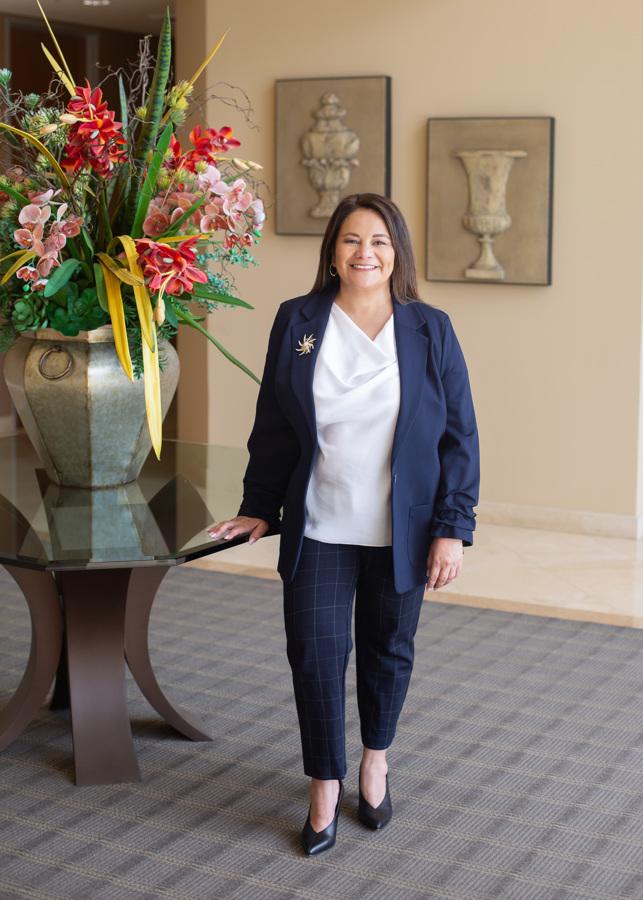
CBM Estate & Trust Law helps California successor trustees through trust administration, including the steps around selling a trust house: written acceptance, the affidavit of change of trustee, the certification of trust, the §16061.7 notice, and coordination with your realtor, escrow officer, and CPA. Attorney Carmen B. Marquez has practiced estate planning in California since 2001 (20+ years), and Carmen B. Marquez, P.C. (CBM Estate & Trust Law) was founded in 2012. La abogada Carmen B. Marquez habla español. Trust administration is not probate. We do not handle probate matters.
Choosing a trustee for your own plan? See how to choose a successor trustee.
Related guides
- Certification of trust in California
- California successor trustee checklist
- Trust administration in California: the first 60 days
- Prop 19 parent child exclusion in California
- Medi-Cal estate recovery in California
- The $750,000 home petition (AB 2016)
- Trust administration services
Frequently asked questions
Can a successor trustee sell a house without court approval in California?
Usually, yes, if the house is titled in the trust and the trust gives the trustee the power to sell. Probate Code section 16226 gives a trustee the power to sell property at public or private sale, subject to the trust's terms. Disputes, unclear terms, or a house outside the trust can change that.
Do all beneficiaries have to sign off on the sale?
Not unless the trust requires it. The trust's terms control. The trustee must still act impartially among beneficiaries under Probate Code section 16003. Many trustees get written consent or give a notice of proposed action so everyone has a chance to weigh in.
How long after a death can a trust house be sold?
The trust law sections reviewed for this guide do not set a minimum waiting period for a trustee's sale. Timing depends on accepting the role, recording the affidavit, the title company's requirements, the appraisal, and the beneficiaries. Many trustees wait for the 120-day contest window before distributing proceeds.
What documents does escrow need from a successor trustee?
Commonly a certified death certificate, a recorded affidavit of change of trustee under Probate Code section 18105, a certification of trust under section 18100.5, and sometimes excerpts of the trust showing the trustee's succession and power to sell. Escrow will also ask for FTB Form 593 information.
Does the trust pay capital gains tax when the house is sold?
It depends. For inherited property, the basis is usually the fair market value at the date of death, so a prompt sale may produce little or no gain. Who reports any gain depends on the trust's tax setup and distributions. Ask your CPA before closing.
Can the trustee sell the house to one of the beneficiaries?
Often, if the trust allows it and the sale is fair to all beneficiaries. If the buyer is also the trustee, the trustee has a conflict of interest under Probate Code section 16004, and the notice of proposed action process cannot be used for that sale. Get legal advice first.
Does selling a trust house trigger a property tax reassessment?
A sale to an outside buyer is a change in ownership, and the county assessor sets the buyer's assessed value. Separately, the trustee must file a Change in Ownership Statement within 150 days after the date of death under Revenue and Taxation Code section 480. If a child keeps the house instead, Prop 19 rules apply.
What if the house was never transferred into the trust?
Then the trustee may not have authority to sell it. A house left in the decedent's individual name with no transfer on death deed may need a separate court process, such as the petition for a primary residence under Probate Code section 13151. We do not handle probate matters; ask a California attorney early.
What sources does this guide rely on?
All statutes verified on leginfo.legislature.ca.gov on November 9, 2026. See the companion SOURCES file.
- Probate Code §16226 (power to sell), §16003 (impartiality), §16004 (conflicts), §15600 (acceptance).
- Probate Code §16061.7 and §16061.8 (notice and contest period); §§16500 to 16504 (notice of proposed action).
- Probate Code §18100.5 (certification of trust), §18105 (affidavit of change of trustee), §19202 (Medi-Cal notice), §13151 (primary residence petition).
- Revenue and Taxation Code §60 and §480; Civil Code §1102.2.
- Franchise Tax Board, 2026 Instructions for Form 593.
Next step
If you are a successor trustee deciding what to do with the family home, talk with us before you list.
Book a complimentary consultation · /contact · (805) 915-5652 · Trusts@cbm.estate
Related: Successor trustee checklist · Trust administration: the first 60 days · Trust administration · Glossary
Serving families throughout California, with an office in Simi Valley and meetings in Burbank by appointment.
Simi Valley: 2655 First Street, Suite 110, Simi Valley, CA 93065
La abogada Carmen B. Marquez habla español. · Guides hub: /guides
Attorney advertising. This guide is general information about California law as of the date above, not legal or tax advice. It does not create an attorney-client relationship and may not reflect later changes in the law. Consult a California attorney about your situation before you act. Results depend on your facts; no outcome is guaranteed. CBM Estate & Trust Law (Carmen B. Marquez, P.C.) practices in California only. We do not handle probate matters.